March 1, 2026
Why Chicago HVAC Companies Lose Their Best Leads During Their Busiest Days
Why Chicago HVAC Companies Lose Their Best Leads During Their Busiest Days
Your busiest days — the first heat wave in July, the overnight freeze in January — are also the days you miss the most calls. Here's why that happens and how to fix it before next season.
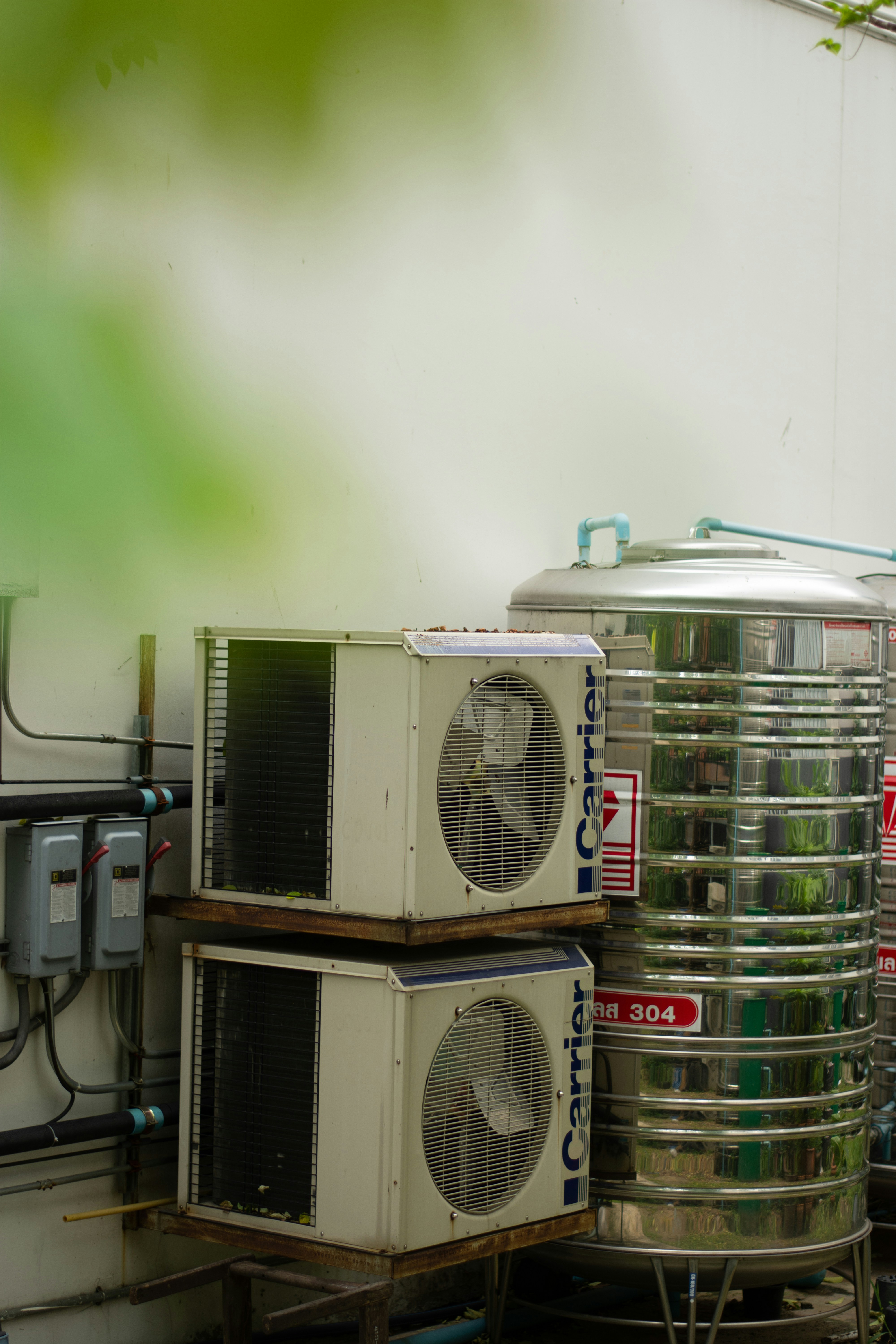
There's a cruel irony in running an HVAC company in Chicago.
Your busiest days — the first 95-degree heat wave in July, the overnight freeze in January that knocks out furnaces across the north side — are also the days you miss the most calls. Your techs are back-to-back. Your office manager is juggling dispatch, invoicing, and the phone ringing every three minutes. And somewhere in that chaos, four calls go to voicemail.
Those four calls aren't just four jobs. In July, an AC replacement call is worth $4,000–$8,000. Four missed calls in a single day is a $20,000 problem — on your best day of the year.
This is the peak season paradox: the moments when demand is highest are exactly the moments when your ability to capture it breaks down.
What's Actually Happening When You Miss a Call
When a homeowner's AC goes out in a heat wave, they're not being patient. They're hot, they're frustrated, and they have their phone in their hand. They call the first HVAC company that comes up in Google Maps.
If you answer, you've got the job. If you don't, they're already dialing the next number before the voicemail beeps.
Chicago homeowners don't leave HVAC voicemails in July. They call until someone answers.
That means every missed call during peak season isn't a lead you can recover later. It's a lead that's already booked with your competitor by the time you call back.
The After-Hours Problem Is Year-Round
Peak season gets the attention, but the after-hours gap is a year-round revenue leak for HVAC companies.
A furnace doesn't break down at 2pm on a Tuesday. It breaks down at 9pm on a Thursday when it's 12 degrees outside. That homeowner is calling right now. They need someone tonight, or at absolute minimum, first thing tomorrow morning.
If your phone goes to voicemail at 9pm, here's what usually happens:
They leave a message (maybe)
They keep calling other companies
Someone else answers and promises them a morning slot
You call back at 8am to a lead that's already been claimed
Studies consistently show that 40–60% of home service calls come in outside of standard business hours. For HVAC specifically — where emergencies drive a large percentage of call volume — that number skews even higher.
Seasonal Demand Spikes Make Hiring Your Way Out Impossible
The obvious answer seems like: hire more office staff. Add a receptionist. Maybe bring on a call center during summer.
The problem is the math doesn't work.
HVAC demand in Chicago isn't steady — it spikes hard in June through August and again in December through February, then drops significantly in the shoulder seasons. Hiring a full-time office person to handle call volume that only exists 4–5 months a year means paying for coverage you don't need half the time.
A part-time or seasonal hire helps, but still leaves you with gaps — evenings, weekends, the hour when everyone's eating lunch and three calls come in at once.
How AI Handles the Peak Season Problem
An AI inbound agent is built for exactly this scenario: high volume, unpredictable timing, no capacity for missed calls.
When a call comes into your HVAC business — at 2pm during a heat wave or 10pm during a cold snap — the AI answers immediately:
Greets the caller professionally, in your company's name
Asks the right qualifying questions: residential or commercial, the nature of the issue, location, urgency
If it's an emergency, escalates to an on-call tech in real time
If it's a standard appointment request, books directly into your scheduling system
Logs the full call — transcript, contact info, service type — to your CRM automatically
Your tech in the field doesn't have to stop to answer his cell. Your office manager doesn't have to choose between the call she's on and the one coming in. Every caller gets a response within seconds, every time.
What This Looks Like During a Heat Wave
Here's a realistic scenario for a Chicago HVAC company on a 97-degree day in July:
Without AI: 180 calls come in. The office handles 130. 50 go to voicemail. Of those 50, maybe 15 leave a message. You call back 15 leads the next day — but 10 of them already booked someone else. You recover 5. You lost 45 potential jobs.
With AI: 180 calls come in. All 180 are answered immediately. The AI qualifies and books standard appointments, escalates emergency calls to your on-call line, and logs everything. You wake up the next morning with a full schedule and a clean CRM — not a voicemail inbox to sort through.
The difference isn't just the jobs you capture. It's that your team starts the next day organized instead of in triage mode.
The First Step
If you want to see how many calls your HVAC business is actually missing — not estimates, real numbers — most phone systems have a missed call report you can pull in under five minutes. Run it for the last 30 days.
Whatever that number is, multiply it by your average job value and your close rate. That's a real dollar figure. For most Chicago HVAC companies, it's higher than they expect.
If you want to talk through what it would look like to close that gap before next summer, we're glad to walk through it with you.
Book a conversation with ClearSignal →
ClearSignal works with Chicago HVAC companies to build AI inbound systems that capture every call — during peak season, after hours, and everywhere in between. Every lead answered, every job logged, no missed opportunities.